

In business-to-business or business-to-government transactions, cost and efficiency stand first among the most required attributes; security is also essential. Level 3 credit card processing is a special processing system based on capturing such detailed transaction information and offering extraordinary savings through reduced interchange fees. It takes detailed information such as line-item detail, tax rates, or shipping expenses and presents further benefits such as providing thorough reports, expense management, and frugal protection against fraud.
Level 3 credit card processing was designed to enable high dollar transactions and better management of financial assets: an instrument essentially for streamlining the payment process. It enables businesses to keep proper records of their transactions and to ensure the entire system is treated accurately and with transparency in their financial dealings.
What is Level 3 Processing

Level 3 processing credit cards is a boon tool for merchants, especially in the B2B arena, that ends up benefiting them with huge cost savings on transaction fees. This processing level allows one to include data up to the line-item detail level for visa and master transactions. So, such transactions, using this additional information, meet the criteria laid out by the card networks for lower base costs as they are perceived to have a lower risk of fraud.
Level 3 processing began as a way to control unconscionable spending by the government and includes billing information on bank statements of cardholders. Note that interchange fees, which make up 80%-90% of costs per transaction in a credit card, however, vary with the type of credit card used. By managing properly the transaction details, merchants can tie these private fees up; thus, Level 3 processing is a shrewd choice for the merchant’s payment processing optimization.
Data level three top-ups are essential for higher-end processing concerning credit cards and large-scale organizations that use corporate or government cards. Requirements may vary according to the payment scheme, but usually, they include everything from levels one and two with some extra requirements.
Level 3 data mainly include:
- complete product description
- product code, unit price,
- unit of measure, and unit quantity, along with discounts,
- total per line item, and
- debit or credit treatment of the transaction.
- Moreover, charges also require freight or shipping costs, duties or import taxes, and VAT tax details, as required by Visa.
- In addition, the destination zip code is an important requirement.
How Can Level 3 Processing Be Achieved?
Merchants must accept purchasing cards, corporate cards, or government spending accounts (GSA) from Visa or MasterCard to qualify for Level 3 Processing. Such processing becomes particularly important for government agencies as well as certain corporations that require all line-item data to be displayed in their bank statements. Level 1 is an easy qualification; it just needs the very basic transaction information: the amount and date. Level 2 is slightly complex as it requires sales tax information.
More complex, Level 3 processing requires almost twenty fields of line-item detail to be filled in, such as invoice number, freight, item commodity code, unit of measure, and product code. A merchant’s qualifying for Level 3 does not guarantee that he will receive Level 3 rates.
Additional Data Included in A Level 3 Transaction
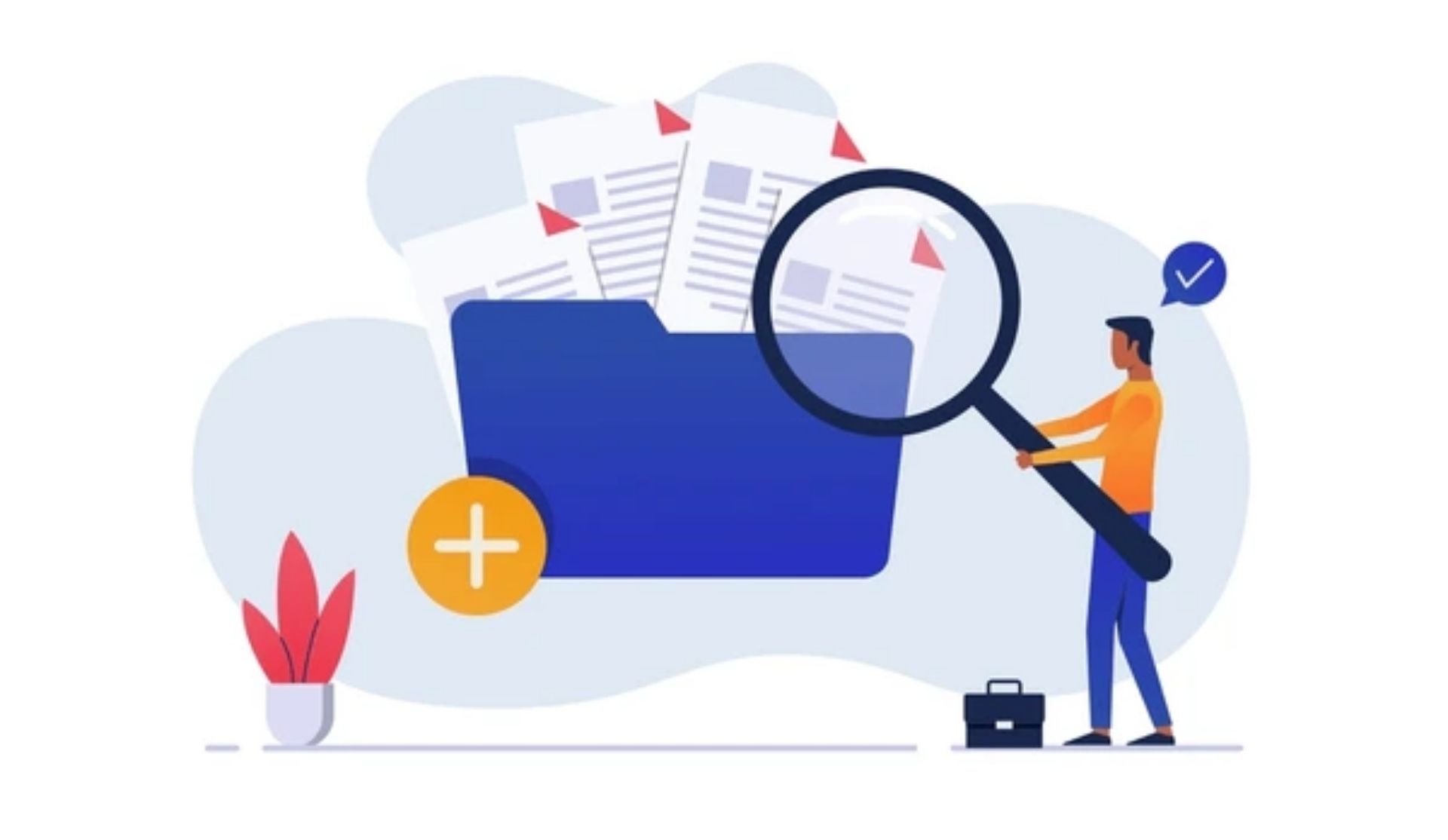
Level 3 payment processing analyzes transaction data deeper and broader than standard credit card processing. This accounts for several key information like item description, which specifies the product name, the model number, and the unit price. Moreover, it also tracks the quantities of items purchased for the clearest transaction view.
Yet another important element is the inclusion of a purchase order number for uniquely tracking and managing expenses. Information on tax shows the amount charged on tax and the rate at which the transaction is being done. Also included in the data collected would be shipping information, which warrants information on shipping address and method, as well as merchant details, such as name, address, and tax identification number.
This better data capture makes operations simple, and insight will be provided for businesses toward expense management and reporting.
What Is the Process for Level 3 Credit Card Processing?
Transaction processing at Level 3 credit card involves getting additional extra details like normal card information, i.e., card number, expiration date, and security code in a business transaction. This extra detail is sent to the merchant’s payment processor, which is most crucial in verifying the transaction. Verification is then followed by transaction forwarding to the card issuer for approval.
Level 3 transactions, then, make the usual credit card processing even better and improve the way such transactions are verified and approved.
Credit Card Holder
The credit card holder initiates a transaction through any of the given platforms such as the merchant’s point of sale (POS) system, an eCommerce site, or even software tools developed specifically for the purpose. The significance of this is to show how diverse a payment method has become today for consumers. Further underlines that space has been given for secure and efficient transaction systems for merchants and customers alike. Perhaps the most important thing in purchasing has to do with the credit card holder. Thus, all this shows the modernization enabled by technology for purposes made in commerce today.
Merchant
So basically, a merchant is a business entity that has a point-of-sale system at which transactions occur. It’s here where the transactions made are stored. This system allows the merchant to physically interact directly with the credit card holder when he or she pays. The point therefore is that the merchant essentially plays a small but significant role in facilitating transactions through the provision of the requisite technology plus service with which they can process their payments.
Payment Gateway or Credit Card Machine
The payment gateway or credit card machine forms an integral part of companies since it permits processing payments to take place efficiently. This is the infrastructure to bridge routing transaction information into the acquiring bank to ensure completed payment. Certainly, it is essential technology because of the mechanism through which it would provide security and speed for transaction purposes, making it easier for companies to do business management in sales and customer payments. Overall, having a reliable payment gateway is key to enhancing the customer experience and streamlining financial operations.
Acquirer or Bank
An acquirer is, in essence, the backbone of the payment process-the bank. The acquirer underwrites the merchant, which means it accepts liability for the transaction. The payment will then be routed to the credit card processor, which is part of the acquirer’s obligations with respect to the payment processing. Finally, it routes the payment into the credit card network for the purpose of transferring funds from customer to merchant. In that sense, an acquirer is a key person in the payment ecosystem connecting merchants with financially placed hands.
Credit Card Network
The credit card network has a very important role in the process of payment authorization: authorization through credit card validation. The network acts as an intermediary between the merchant and the issuing bank to ensure an authorized transaction. This intermediate communication helps confirm the availability of sufficient funds on the cardholder and whether the card is currently activated for use. In summary, the network is necessary to guarantee trust between the two parties in credit card payments.
Issuing Bank
The issuing bank has a crucial role in the credit card transaction processes. The issuing bank provides credit to consumers, enabling purchases. Also, it is responsible for checking that the card is in working order and ensuring that the funds are available. Thus, the transactions are approved only when there are sufficient funds in the account to guarantee the security and reliability of the payment process.
What Makes Level 3 Payment Processing Important?
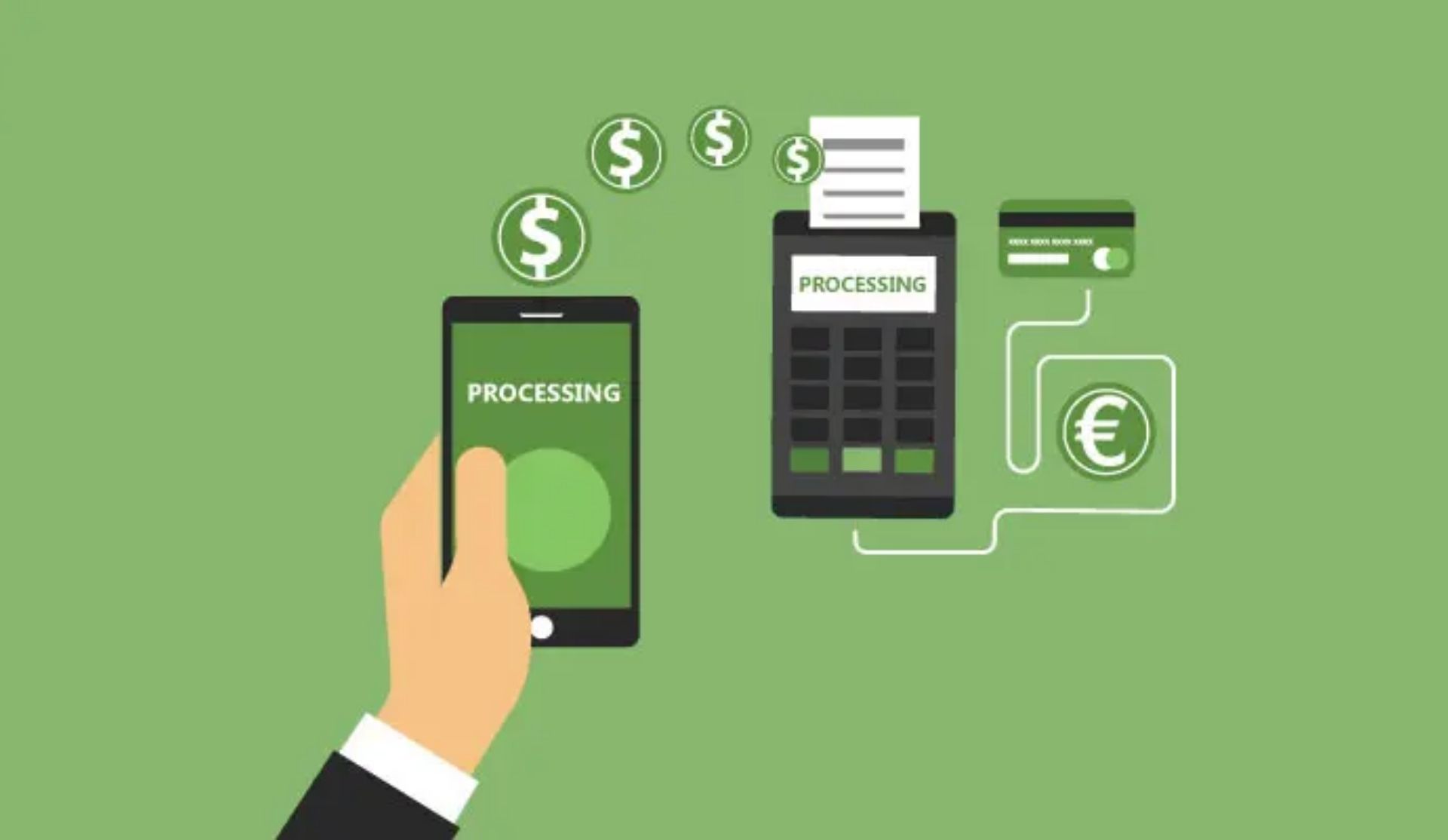
Level 3 processing actually provides many benefits for companies that seek to lower credit processing costs. By entering additional data into transactions, processors can match the most cost-effective interchange rates, leading to lower processing fees. Such additional information is not only cost-effective but also crucial for minimizing risks of fraud and chargebacks, which can save merchants even more money. All in all, Level 3 processing makes transactions more efficient and adds a few bucks in monetary savings.
Processing Fee is Lower
Credit card issuers and merchant acquirers would find Level 3 processing to provide lower risks and so usually reduced fees as compared with conventional credit card processing.
Improved Data for Tracking and Managing Expenses
Level 3 processing allows for enough detailed transaction data that a business may track and manage expenses concerning B2B transactions through description, quantities, and purchase order numbers
Adherence To Regulations
Some trade regulations, perhaps the most well-known being government contracting, require transactions done under Level 3 processing.
What Cards Are Eligible for Level 3
Most often a purchase card and corporate card qualify for level III data, but not all commercial credit cards. The main difference is that business credit cards are generally paid for by the cardholder, while corporate cards are linked to the company. Business credit cards are generally for small businesses, while corporate cards are used generally by large companies.
It is not possible to determine visually whether a card qualifies for level III data; unfortunately, this is not very helpful since there is no way to decline a certain card. In general, for companies that will be processing corporate cards or government cards regularly, it is advised to supply all data necessary for level III transactions. Even though some cards may qualify only for level II, supplying level III data will not work against you in terms of cost. If the cards qualify for level III, the extent of data required should create a cost-benefit.
Level 3 Line-Item Detail
To qualify for higher transaction rates, Level III transactions will require additional information at the time of the transaction of specific line-item details. All mandatory requirement fields from level I and level II transactions must be captured, along with those specific to level III. Specifically, level II will add the merchant’s zip code and tax ID number.
What Kinds of Businesses Utilize Level 3 Processing?
Level 3 processing is a type of medium processing mainly adopted by businesses and government departments handling B2B transactions with high volumes. This processing approach has a great application in government agencies at all levels; it enhances their capacity to optimize procurement and much of the transaction activities. Level 3 processing has found its niche for B2B merchants who engage in great sales when they repeat sales every month; they are going towards optimizing their operations.
Level 3 processing is also beneficial to wholesale distributors because it reduces the cost of credit card payments. This is a manufacturing process that gives items to another company in the business as a way of improving the purchasing processes and cutting costs. Corporate purchasing departments of big companies are using level 3 processing to manage their purchases very well.
Level 3 processing is not offered by all processors. For this, businesses must contact their payment processor or merchant services provider for the requirement of level 3 processing. Meeting certain specific regulations such as having the specification of transaction details and using the terminals and/or compatible credit card processing software will put the businesses under level 3 processing.
Conclusion
Level 3 credit card processing is benefiting B2B and B2G transactions with an efficient, safe, and economical way to conduct payments for businesses and governmental organizations. Detailed transaction information not only allows for lower transaction processing fees but also strengthens fraud protection efforts, enhances expense tracking and aids in compliance with regulations.
While the rules for qualifying for Level 3 processing require merchants to maintain rigorous data-entry requirements, the possible trade-off in poling down interchange fees and providing better financial transparency attracts ample consideration. Businesses are continuously interested in finding more efficient payment solutions; Level 3 processing is indeed a powerful resource in terms of financial efficiency and security.