

By Manoj Bhatt February 1, 2025
In today’s digital age, the importance of secure payment processing cannot be overstated. Dental practices, like any other business, face the risk of fraud and data breaches when handling patient payments. To combat this, the dental industry has turned to EMV (Europay, Mastercard, and Visa) technology as a solution. EMV technology has revolutionized payment processing by providing a more secure and efficient method for dental practices to accept payments.
In this article, we will explore the role of EMV (Europay, Mastercard, and Visa) technology in reducing fraud in dental payment processing, its benefits, implementation steps, impact on payment security, common concerns, and best practices for dental practices to maximize its benefits.
Understanding EMV Technology and its Benefits in Reducing Fraud
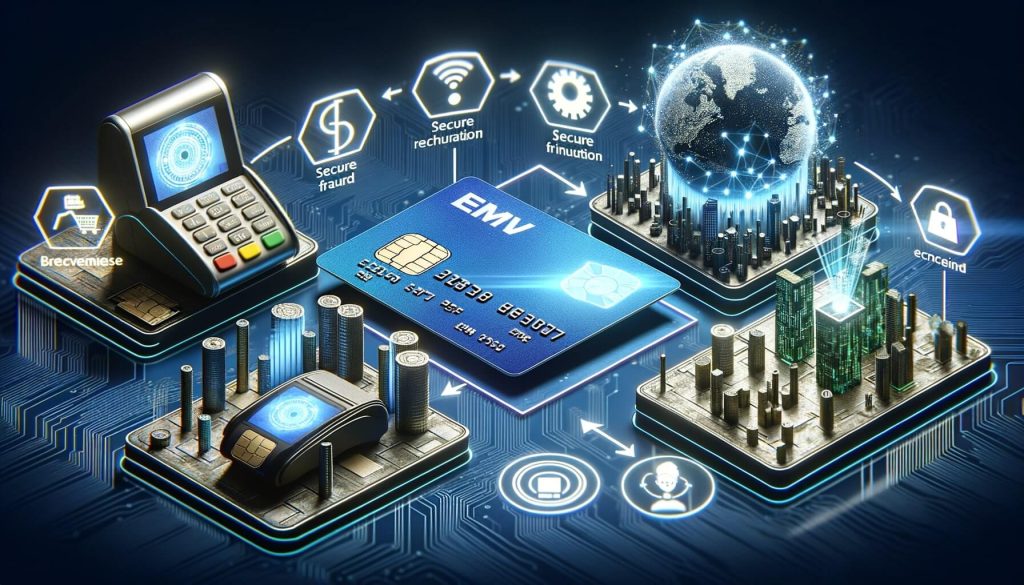
EMV technology refers to the use of smart cards or chip cards that contain an embedded microchip. This chip generates a unique transaction code for each payment, making it nearly impossible for fraudsters to replicate or counterfeit. Unlike traditional magnetic stripe cards, which store static data that can be easily copied, EMV cards provide dynamic authentication, significantly reducing the risk of fraud.
The benefits of EMV (Europay, Mastercard, and Visa) technology in reducing fraud in dental payment processing are numerous. Firstly, it provides an additional layer of security by requiring the cardholder to enter a PIN or provide biometric authentication, such as a fingerprint. This ensures that only authorized individuals can make payments, minimizing the risk of stolen or lost cards being used fraudulently.
Secondly, EMV (Europay, Mastercard, and Visa) technology protects against counterfeit card fraud. The microchip in EMV cards generates a unique code for each transaction, making it extremely difficult for fraudsters to create counterfeit cards. This is in stark contrast to magnetic stripe cards, where the static data can be easily copied and used to create fraudulent cards.
Furthermore, EMV technology reduces the liability for dental practices in the event of fraudulent transactions. Prior to the adoption of EMV (Europay, Mastercard, and Visa) technology, if a fraudulent transaction occurred at a dental practice, the liability would typically fall on the practice. However, with the implementation of EMV technology, liability shifts to the card issuer or payment processor if the transaction was conducted using an EMV chip card and the practice followed proper procedures.
The Evolution of EMV Technology in the Dental Industry
The adoption of EMV technology in the dental industry has been a gradual process. The United States, in particular, has seen a slower adoption rate compared to other countries. This can be attributed to the cost and complexity associated with upgrading payment terminals and training staff on the new technology.
However, with the increasing prevalence of data breaches and fraudulent activities, dental practices are recognizing the need for enhanced security measures. According to a survey conducted by the American Dental Association, 67% of dental practices in the United States have implemented EMV technology as of 2020, compared to just 34% in 2016.
The implementation of EMV (Europay, Mastercard, and Visa) technology in the dental industry has been driven by several factors. Firstly, the liability shift mentioned earlier has incentivized dental practices to upgrade their payment terminals to accept EMV cards. By doing so, they can protect themselves from financial losses resulting from fraudulent transactions.
Secondly, the rise of mobile payment solutions, such as Apple Pay and Google Pay, has also contributed to the adoption of EMV (Europay, Mastercard, and Visa) technology. These mobile payment methods rely on EMV technology for secure transactions, further driving the demand for EMV-enabled payment terminals in dental practices.
Implementing EMV Technology in Dental Practices: A Step-by-Step Guide
Implementing EMV (Europay, Mastercard, and Visa) technology in dental practices requires careful planning and execution. Here is a step-by-step guide to help dental practices navigate the implementation process:
1. Assess current payment infrastructure: Begin by evaluating the existing payment infrastructure in your dental practice. Determine if your current payment terminals are EMV-enabled or if they need to be upgraded.
2. Research EMV-compatible payment terminals: Research different payment terminal options that are compatible with EMV (Europay, Mastercard, and Visa) technology. Consider factors such as cost, functionality, and compatibility with your practice management software.
3. Choose a payment processor: Select a payment processor that supports EMV technology and offers competitive rates. Consider factors such as customer support, security features, and integration capabilities with your practice management software.
4. Train staff on EMV technology: Provide comprehensive training to your staff on how to use EMV-enabled payment terminals. Ensure they understand the benefits of EMV (Europay, Mastercard, and Visa) technology and how to handle different payment scenarios.
5. Update payment policies and procedures: Review and update your payment policies and procedures to align with EMV technology. Clearly communicate to patients the new payment process and any changes in liability for fraudulent transactions.
6. Test and monitor: Conduct thorough testing of the EMV-enabled payment terminals to ensure they are functioning correctly. Monitor transactions closely to identify any issues or anomalies that may arise during the initial implementation phase.
7. Provide ongoing staff training: Offer regular training sessions to keep your staff updated on any changes or advancements in EMV (Europay, Mastercard, and Visa) technology. This will help ensure that they are equipped to handle any payment-related issues that may arise.
By following these steps, dental practices can successfully implement EMV technology and enhance the security of their payment processing.
The Impact of EMV Technology on Dental Payment Security
The implementation of EMV technology has had a significant impact on dental payment security. According to a report by Visa, countries that have adopted EMV (Europay, Mastercard, and Visa) technology have seen a significant reduction in counterfeit card fraud. For example, the United Kingdom experienced a 70% decrease in counterfeit card fraud from 2004 to 2014 after implementing EMV technology.
In the dental industry, the adoption of EMV (Europay, Mastercard, and Visa) technology has also led to a decrease in fraudulent transactions. Dental practices that have implemented EMV-enabled payment terminals have reported a decline in instances of stolen or lost cards being used fraudulently. This is due to the added security measures provided by EMV technology, such as PIN verification and dynamic transaction codes.
Furthermore, EMV (Europay, Mastercard, and Visa) technology has helped protect patient data by reducing the risk of data breaches. The microchip in EMV cards encrypts sensitive cardholder information, making it difficult for hackers to access and exploit. This has provided peace of mind to both dental practices and patients, knowing that their payment information is secure.
EMV Technology vs. Traditional Payment Methods: A Comparative Analysis
To fully understand the benefits of EMV technology in dental payment processing, it is essential to compare it with traditional payment methods. Here is a comparative analysis of EMV (Europay, Mastercard, and Visa) technology and traditional payment methods:
1. Security: EMV (Europay, Mastercard, and Visa) technology provides a higher level of security compared to traditional magnetic stripe cards. The dynamic transaction codes and additional authentication measures significantly reduce the risk of fraud and data breaches.
2. Liability: With traditional payment methods, dental practices are often held liable for fraudulent transactions. However, with EMV technology, the liability shifts to the card issuer or payment processor if the transaction was conducted using an EMV card and proper procedures were followed.
3. Counterfeit card fraud: EMV (Europay, Mastercard, and Visa) technology effectively combats counterfeit card fraud by generating unique transaction codes for each payment. Traditional magnetic stripe cards, on the other hand, store static data that can be easily copied and used to create counterfeit cards.
4. Ease of use: While there may be a slight learning curve for staff when transitioning to EMV technology, the overall ease of use is comparable to traditional payment methods. EMV-enabled payment terminals are designed to be user-friendly and intuitive.
5. Customer perception: EMV (Europay, Mastercard, and Visa) technology is widely recognized as a more secure payment method. By implementing EMV (Europay, Mastercard, and Visa) technology, dental practices can enhance customer trust and perception, knowing that their payment information is protected.
Best Practices for Dental Practices to Maximize the Benefits of EMV Technology
To maximize the benefits of EMV technology in dental payment processing, dental practices should follow these best practices:
1. Regularly update payment terminals: Stay up to date with the latest EMV (Europay, Mastercard, and Visa) technology advancements and ensure that your payment terminals are regularly updated. This will help maintain the highest level of security and compatibility with new payment methods.
2. Train staff on security protocols: Provide ongoing training to your staff on security protocols and best practices for handling payments. This includes educating them on how to identify potential fraudulent transactions and how to handle different payment scenarios.
3. Educate patients on EMV technology: Clearly communicate to your patients the benefits of EMV (Europay, Mastercard, and Visa) technology and how it enhances the security of their payment information. This will help build trust and confidence in your practice.
4. Regularly review payment policies and procedures: Continuously review and update your payment policies and procedures to align with EMV technology. This includes clearly outlining the steps for handling EMV transactions and addressing any changes in liability for fraudulent transactions.
5. Stay informed about industry trends: Stay informed about the latest industry trends and advancements in payment processing technology. This will help you adapt to changing customer preferences and ensure that your practice remains at the forefront of payment security.
Common Concerns and FAQs
Despite the numerous benefits of EMV (Europay, Mastercard, and Visa) technology, there are still some common concerns and frequently asked questions surrounding its implementation in dental payment processing. Let’s address some of these concerns:
Q1. Will implementing EMV technology be costly for my dental practice?
While there may be upfront costs associated with upgrading payment terminals and training staff, the long-term benefits of EMV (Europay, Mastercard, and Visa) technology outweigh the initial investment. The cost of fraudulent transactions and potential liability far exceeds the cost of implementing EMV technology.
Q2. Will EMV technology slow down the payment process?
EMV transactions may take slightly longer than traditional magnetic stripe transactions due to the additional security measures. However, the difference in processing time is minimal and should not significantly impact the overall efficiency of the payment process.
Q3. Can I still accept traditional magnetic stripe cards with EMV-enabled payment terminals?
Yes, EMV-enabled payment terminals are designed to accept both EMV cards and traditional magnetic stripe cards. This ensures compatibility with all types of payment methods and allows for a smooth transition to EMV technology.
Q4. What happens if a fraudulent transaction occurs despite using EMV technology?
If a fraudulent transaction occurs despite using EMV technology and following proper procedures, the liability falls on the card issuer or payment processor. Dental practices are protected from financial losses resulting from fraudulent transactions when using EMV-enabled payment terminals.
Conclusion
EMV technology has revolutionized payment processing in the dental industry by providing a more secure and efficient method for accepting payments. Its adoption has significantly reduced the risk of fraud and data breaches, protecting both dental practices and patients. As the dental industry continues to prioritize payment security, the future of EMV technology looks promising.
With ongoing advancements in technology and the increasing prevalence of mobile payment solutions, the role of EMV technology in dental payment processing will only continue to grow. Dental practices that embrace EMV (Europay, Mastercard, and Visa) technology and follow best practices will not only enhance the security of their payment processing but also build trust and confidence with their patients.
By staying informed and proactive, dental practices can maximize the benefits of EMV technology and ensure a secure payment environment for years to come.