

Electronic Benefits Transfer (EBT) is a system that allows recipients of government assistance programs, such as the Supplemental Nutrition Assistance Program (SNAP) or Temporary Assistance for Needy Families (TANF), to access their benefits through a plastic card similar to a debit or credit card. While EBT has provided a convenient and efficient way for individuals and families to receive and use their benefits, it has also become a target for fraudsters looking to exploit the system.
EBT fraud refers to any illegal activity that involves the misuse or abuse of EBT cards or benefits. This can include activities such as selling or trading EBT cards, using someone else’s card without permission, or making unauthorized purchases with EBT funds. EBT fraud not only undermines the integrity of the assistance programs but also deprives those in genuine need of the support they require.
Understanding the Types of EBT Fraud
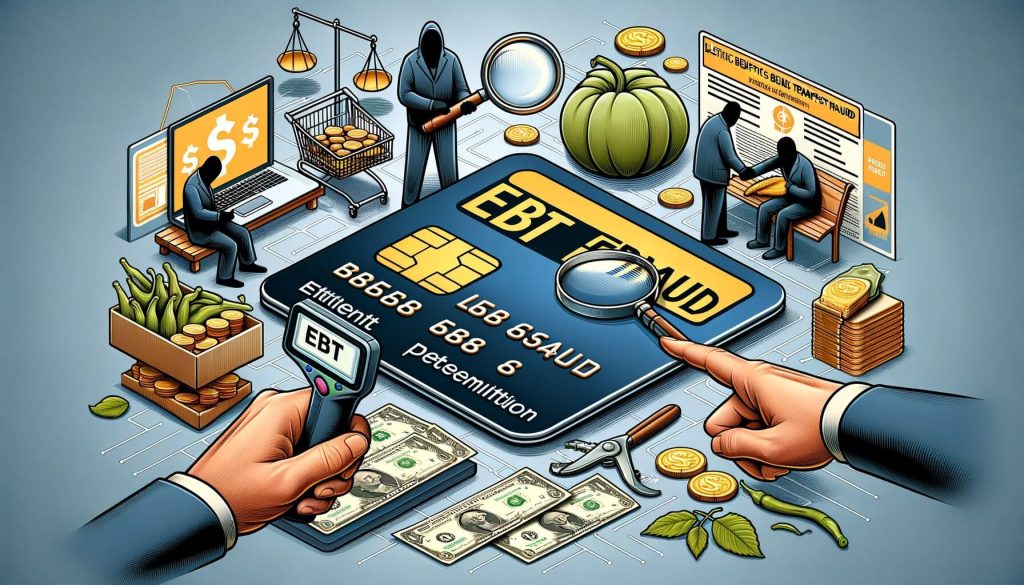
EBT fraud can take various forms, and it is essential to be aware of the different types to better protect yourself. The most common types of EBT fraud include:
1. Card Trafficking: This involves the buying, selling, or trading of EBT cards for cash or other goods. Fraudsters may approach individuals in need and offer to purchase their benefits at a discounted rate, leaving the cardholder without the necessary assistance.
2. Unauthorized Use: This occurs when someone uses an EBT card without the cardholder’s permission. It can happen when a card is lost or stolen, or when someone intentionally takes advantage of a vulnerable individual.
3. False Reporting: Some individuals may provide false information or misrepresent their circumstances to qualify for benefits they are not entitled to. This type of fraud not only diverts resources from those who genuinely need them but also puts additional strain on the system.
4. Retailer Fraud: Retailers who participate in the EBT program can also engage in fraudulent activities. This can include overcharging customers, exchanging EBT benefits for cash, or selling ineligible items.
Recognizing the Signs of EBT Fraud

Being able to recognize the signs of EBT fraud is crucial in protecting yourself and others from falling victim to these scams. Some common signs of EBT fraud include:
1. Unusual Transactions: Keep an eye out for any suspicious or unauthorized transactions on your EBT account. If you notice purchases you did not make or unfamiliar locations, it could be a sign that your card has been compromised.
2. Multiple Card Usage: If you observe someone using multiple EBT cards or frequently swapping cards with others, it may indicate card trafficking or unauthorized use.
3. Ineligible Purchases: EBT benefits can only be used to purchase eligible items, such as food or household essentials. If you witness someone using their EBT card to buy luxury items or non-essential goods, it could be a red flag for fraud.
4. Unusual Behavior: Be cautious of individuals who exhibit suspicious behavior, such as offering to buy or sell EBT cards, requesting personal information, or pressuring others to share their benefits.
Preventive Measures to Safeguard Your EBT Card

Taking proactive steps to safeguard your EBT card can significantly reduce the risk of falling victim to fraud. Here are some preventive measures you can implement:
1. Keep Your Card Secure: Treat your EBT card like you would a debit or credit card. Keep it in a safe place and never share it with anyone. Memorize your PIN and avoid writing it down or sharing it with others.
2. Be Wary of Unsolicited Calls or Messages: Fraudsters may attempt to obtain your personal information by posing as government officials or EBT program representatives. Be cautious of unsolicited calls, emails, or text messages asking for your card details or other sensitive information.
3. Regularly Check Your Account: Stay vigilant by regularly monitoring your EBT account for any unauthorized transactions or suspicious activity. Report any discrepancies immediately to your EBT provider.
4. Update Your Contact Information: Ensure that your contact information, such as your phone number and address, is up to date with your EBT provider. This will help you receive timely notifications and alerts regarding your account.
Securing Your Personal Information for EBT Protection
Protecting your personal information is crucial in preventing EBT fraud. Here are some best practices to secure your personal information:
1. Use Strong Passwords: Create strong, unique passwords for your online EBT account and avoid using easily guessable information such as your name or birthdate. Use a combination of letters, numbers, and special characters to enhance the security of your password.
2. Enable Two-Factor Authentication: Many online platforms now offer two-factor authentication, which adds an extra layer of security to your account. Enable this feature if available to ensure that only authorized individuals can access your account.
3. Be Cautious of Phishing Attempts: Phishing is a common tactic used by fraudsters to trick individuals into revealing their personal information. Be cautious of emails or messages that request sensitive information or direct you to unfamiliar websites. Always verify the legitimacy of the source before providing any personal details.
4. Secure Your Devices: Ensure that your devices, such as smartphones or computers, are protected with up-to-date antivirus software and firewalls. Regularly update your operating system and applications to patch any security vulnerabilities.
Best Practices for Online EBT Transactions
As more EBT transactions move online, it is essential to follow best practices to ensure the security of your information. Here are some tips for safe online EBT transactions:
1. Use Secure Websites: When making online purchases or accessing your EBT account, ensure that you are using secure websites. Look for “https://” at the beginning of the website address, indicating that the connection is encrypted.
2. Avoid Public Wi-Fi: Public Wi-Fi networks are often unsecured, making it easier for hackers to intercept your data. Avoid conducting EBT transactions or accessing sensitive information while connected to public Wi-Fi.
3. Regularly Review Statements: Keep track of your online EBT transactions by reviewing your account statements regularly. Report any unauthorized transactions immediately to your EBT provider.
4. Log Out and Clear Cache: After completing an online EBT transaction, always log out of your account and clear your browser cache. This will help prevent unauthorized access to your account information.
Reporting EBT Fraud: Who to Contact and How
If you suspect EBT fraud or have fallen victim to it, it is crucial to report the incident promptly. Here are the steps to follow when reporting EBT fraud:
1. Contact Your EBT Provider: Start by contacting your EBT provider’s customer service hotline. They will guide you through the reporting process and provide further instructions.
2. Provide Detailed Information: When reporting EBT fraud, provide as much detailed information as possible. This may include the date and time of the incident, the location, and any relevant descriptions of individuals involved.
3. File a Police Report: In cases of theft or unauthorized use of your EBT card, it is advisable to file a police report. This will help law enforcement agencies investigate the matter and potentially recover your lost benefits.
4. Report to the Appropriate Authorities: Depending on the nature of the fraud, you may need to report the incident to other relevant authorities, such as the Office of Inspector General or the Federal Trade Commission. They can provide further assistance and investigate the matter if necessary.
Frequently Asked Questions (FAQs)
Q1. Can I sell or trade my EBT card legally?
A1. No, it is illegal to sell or trade your EBT card. Doing so can result in criminal charges and the loss of your benefits.
Q2. Can I use my EBT card to withdraw cash from an ATM?
A2. Yes, you can use your EBT card to withdraw cash from designated ATMs. However, be cautious of excessive ATM fees and ensure that you are using a secure and reputable machine.
Q3. Can I use my EBT card to purchase non-food items?
A3. No, EBT benefits can only be used to purchase eligible food items and, in some cases, household essentials. Non-food items such as alcohol, tobacco, or pet food are not eligible for purchase with EBT funds.
Q4. What should I do if I suspect someone is committing EBT fraud?
A4. If you suspect someone is committing EBT fraud, report the incident to your EBT provider or the appropriate authorities. Provide as much detailed information as possible to aid in the investigation.
Q5. How can I protect myself from phishing attempts related to EBT fraud?
A5. Protect yourself from phishing attempts by being cautious of unsolicited emails or messages asking for personal information. Verify the legitimacy of the source before providing any sensitive details.
Conclusion
Protecting yourself from EBT fraud requires a combination of awareness, vigilance, and proactive measures. By understanding the types of EBT fraud, recognizing the signs, and implementing preventive measures, you can significantly reduce the risk of falling victim to these scams.
Safeguarding your personal information, following best practices for online transactions, and promptly reporting any suspicious activity are essential steps in protecting yourself and ensuring the integrity of government assistance programs. Remember, by taking these precautions, you not only protect your own benefits but also contribute to the well-being of those in genuine need of assistance.