

Cash App, a popular peer-to-peer payment platform, has revolutionized the way people transfer money. However, like any financial service, it is not immune to chargebacks. A chargeback occurs when a customer disputes a transaction and requests a refund from their bank or credit card company.
In this comprehensive guide, we will explore the common reasons for Cash App chargebacks, how to avoid them, and the step-by-step process to handle them effectively.
Common Reasons for Cash App Chargebacks and How to Avoid Them

1. Unauthorized Transactions: One of the most common reasons for chargebacks is unauthorized transactions. Customers may claim that they did not authorize a payment or that their account was compromised. To avoid such chargebacks, Cash App users should enable two-factor authentication and regularly monitor their account for any suspicious activity.
2. Dissatisfaction with Product or Service: Another reason for chargebacks is customer dissatisfaction. If a customer feels that the product or service they received was not as described or did not meet their expectations, they may initiate a chargeback. To prevent this, businesses should provide accurate descriptions, clear return policies, and excellent customer service.
3. Technical Issues: Technical glitches can also lead to chargebacks. For example, if a customer is charged multiple times for a single transaction due to a system error, they may request a chargeback. To avoid this, Cash App should regularly update and maintain its platform to minimize technical issues.
4. Fraudulent Activity: Fraudulent transactions are a significant concern for both Cash App and its users. Fraudsters may use stolen credit card information to make unauthorized purchases, leading to chargebacks. Cash App should implement robust fraud detection measures, such as transaction monitoring and identity verification, to prevent such incidents.
5. Failure to Deliver: If a customer does not receive the product or service they paid for, they may initiate a chargeback. To avoid this, businesses should ensure timely delivery and provide tracking information to customers. Clear communication and transparency are key to preventing chargebacks in such cases.
Step-by-Step Process to Handle Cash App Chargebacks
1. Notification: When a chargeback is initiated, Cash App will notify the merchant via email or through the app. The notification will include details of the disputed transaction, such as the amount, date, and reason for the chargeback.
2. Review the Dispute: The merchant should carefully review the dispute and gather all relevant information, including transaction records, customer communication, and any supporting evidence.
3. Gather Evidence: To effectively dispute a chargeback, merchants must gather compelling evidence to support their case. This may include order confirmations, shipping receipts, customer communication, and any other relevant documentation.
4. Respond to the Dispute: Cash App provides a Dispute Resolution Center where merchants can submit their response to the chargeback. It is crucial to provide a detailed and well-documented response, addressing each point raised by the customer.
5. Communicate with the Customer: Open communication with the customer is essential during the chargeback process. Merchants should reach out to the customer to understand their concerns and attempt to resolve the issue amicably.
6. Provide a Refund or Offer a Resolution: In some cases, it may be more cost-effective and efficient to provide a refund or offer a resolution to the customer rather than going through the chargeback process. This can help maintain customer satisfaction and prevent further disputes.
7. Submit Evidence: Merchants should submit all relevant evidence to Cash App through the Dispute Resolution Center. Clear and concise documentation will strengthen their case and increase the chances of a favorable outcome.
8. Review the Decision: Cash App will review the evidence submitted by both parties and make a decision based on the provided information. Merchants should carefully review the decision and assess whether further action is necessary.
9. Appeal if Necessary: If the decision is unfavorable, merchants have the option to appeal the chargeback. They should provide additional evidence or address any discrepancies in the initial decision.
10. Learn from the Experience: Regardless of the outcome, merchants should use the chargeback process as an opportunity to learn and improve their business practices. Analyzing the reasons for chargebacks and implementing preventive measures can help minimize future disputes.
Gathering Evidence: Essential Tips for Winning a Cash App Chargeback Dispute

When handling a Cash App chargeback dispute, gathering compelling evidence is crucial to increase the chances of a favorable outcome. Here are some essential tips for collecting evidence:
1. Keep Detailed Transaction Records: Maintain accurate records of all transactions, including order confirmations, receipts, and shipping information. These records will serve as evidence of the customer’s purchase and the delivery of the product or service.
2. Save Customer Communication: Preserve any communication with the customer, such as emails, chat logs, or text messages. These conversations can provide valuable insights into the customer’s concerns and help build a strong case.
3. Take Screenshots: If the dispute involves a digital product or service, take screenshots of the transaction details, including the product description, price, and any relevant terms and conditions. These screenshots can serve as evidence of what the customer agreed to at the time of purchase.
4. Document Delivery: If the dispute involves physical goods, maintain proof of delivery, such as shipping receipts or tracking information. This documentation will demonstrate that the product was delivered to the customer as promised.
5. Provide Clear Policies: Ensure that your refund and return policies are clearly stated on your website or app. This will help establish your business’s terms and conditions and provide evidence that the customer was aware of them at the time of purchase.
6. Use Time-Stamped Photos: If the dispute involves the condition of a physical product, take time-stamped photos before shipping it to the customer. These photos can serve as evidence of the product’s condition at the time of shipment.
7. Obtain Expert Opinions: In some cases, it may be necessary to seek expert opinions to support your case. For example, if the dispute involves a technical issue, consulting a qualified IT professional can provide valuable insights and strengthen your argument.
8. Maintain a Paper Trail: Keep copies of all relevant documentation, including invoices, receipts, and any other paperwork related to the transaction. This paper trail will help establish the legitimacy of the transaction and support your case.
9. Be Proactive: Act promptly when a chargeback is initiated. Gather evidence and respond to the dispute within the specified timeframe. Proactive engagement demonstrates your commitment to resolving the issue and can positively influence the outcome.
10. Seek Legal Advice if Needed: If you encounter complex or high-value chargebacks, it may be beneficial to consult with a legal professional who specializes in chargeback disputes. They can provide guidance on the best course of action and help protect your rights.
Communicating with Customers: Effective Strategies for Resolving Cash App Chargebacks

Effective communication with customers is crucial when handling Cash App chargebacks. Here are some strategies to help resolve disputes amicably:
1. Promptly Respond to Inquiries: When a customer initiates a chargeback, respond promptly to their inquiries. Timely communication shows that you take their concerns seriously and are committed to resolving the issue.
2. Be Empathetic: Show empathy towards the customer’s concerns and frustrations. Acknowledge their dissatisfaction and assure them that you are working towards a resolution.
3. Provide Clear Explanations: Clearly explain the transaction details, including the product or service purchased, the price, and any applicable terms and conditions. This will help the customer understand the transaction better and reduce confusion.
4. Offer Solutions: Instead of focusing solely on the chargeback, offer solutions to address the customer’s concerns. This may include providing a refund, offering a replacement product, or resolving any issues they encountered.
5. Maintain Professionalism: Stay professional and courteous throughout the communication process. Avoid becoming defensive or confrontational, as this can escalate the situation and hinder the resolution process.
6. Keep Records of Communication: Document all communication with the customer, including emails, chat logs, or phone calls. This documentation will serve as evidence of your attempts to resolve the issue and can be useful during the chargeback process.
7. Provide Timely Updates: Keep the customer informed about the progress of their dispute. Regular updates will demonstrate your commitment to resolving the issue and help manage their expectations.
8. Escalate if Necessary: If you are unable to resolve the dispute directly with the customer, consider escalating the issue to Cash App’s customer support or dispute resolution team. They may be able to provide additional assistance in reaching a resolution.
9. Offer Compensation: In some cases, offering compensation, such as a discount on future purchases or a gift card, can help appease the customer and prevent further disputes. This gesture shows that you value their business and are willing to make amends.
10. Learn from Feedback: Use customer feedback from chargeback disputes as an opportunity to improve your products, services, and customer experience. Analyze the reasons for the chargebacks and implement preventive measures to minimize future disputes.
Navigating Cash App’s Dispute Resolution Center: A User-Friendly Approach
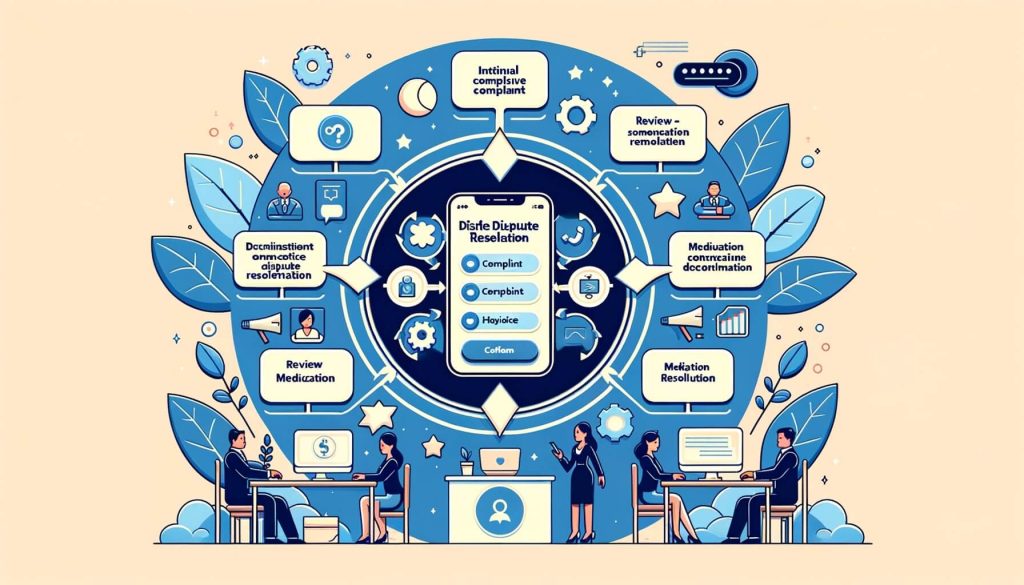
Cash App provides a Dispute Resolution Center to help merchants navigate the chargeback process effectively. Here is a user-friendly approach to using this platform:
1. Familiarize Yourself with the Dispute Resolution Center: Take the time to understand how Cash App’s Dispute Resolution Center works. Familiarize yourself with the features, guidelines, and requirements to ensure a smooth experience.
2. Review the Dispute Details: When a chargeback is initiated, carefully review the details provided by Cash App. Pay attention to the reason for the chargeback, the transaction amount, and any supporting documentation submitted by the customer.
3. Gather Evidence: Collect all relevant evidence to support your case. This may include transaction records, customer communication, shipping receipts, and any other documentation that strengthens your argument.
4. Craft a Detailed Response: Respond to the chargeback with a detailed and well-documented explanation of your position. Address each point raised by the customer and provide evidence to support your claims.
5. Submit Evidence: Use Cash App’s Dispute Resolution Center to submit all relevant evidence. Ensure that your documentation is clear, concise, and organized to facilitate the review process.
6. Monitor the Dispute Status: Regularly check the status of your dispute through the Dispute Resolution Center. This will keep you informed about any updates or additional information required.
7. Communicate with Cash App Support: If you have any questions or concerns during the chargeback process, reach out to Cash App’s customer support. They can provide guidance and assistance in navigating the Dispute Resolution Center effectively.
8. Be Patient: The chargeback process may take time, and it is essential to remain patient throughout. Avoid unnecessary follow-ups or escalations unless there is a significant delay or unresolved issue.
9. Review the Decision: Once Cash App reaches a decision, carefully review the outcome. Assess whether the decision is fair and consider whether further action, such as an appeal, is necessary.
10. Learn from the Experience: Regardless of the outcome, use the chargeback process as an opportunity to learn and improve your business practices. Analyze the reasons for the chargeback and implement preventive measures to minimize future disputes.
Expert Advice: Best Practices for Preventing Cash App Chargebacks
To prevent Cash App chargebacks, it is essential to implement best practices. Here is expert advice on how to minimize the risk:
1. Implement Robust Fraud Detection Measures: Use advanced fraud detection tools and technologies to identify and prevent fraudulent transactions. This may include transaction monitoring, IP geolocation, and identity verification.
2. Educate Customers: Provide clear instructions to customers on how to use Cash App securely. Educate them about the importance of protecting their account information and enabling security features such as two-factor authentication.
3. Verify Customer Information: Implement a robust customer verification process to ensure that the person making the transaction is the legitimate account holder. This can help prevent unauthorized transactions and reduce the risk of chargebacks.
4. Monitor Transaction Patterns: Regularly review transaction patterns and look for any suspicious activity. Unusual transaction volumes, high-value purchases, or multiple transactions from the same IP address may indicate fraudulent activity.
5. Maintain Excellent Customer Service: Provide exceptional customer service to address any concerns or issues promptly. Promptly resolving customer complaints can prevent chargebacks resulting from dissatisfaction.
6. Clearly Communicate Policies: Clearly state your refund, return, and cancellation policies on your website or app. Ensure that customers are aware of these policies before making a purchase to minimize misunderstandings and disputes.
7. Use Dispute Mediation Services: Consider using dispute mediation services that specialize in resolving chargebacks. These services can help facilitate communication between merchants and customers, leading to faster resolutions.
8. Regularly Update and Maintain Your Platform: Keep your Cash App platform up to date and regularly maintain it to minimize technical issues that may lead to chargebacks. This includes addressing bugs, improving security measures, and enhancing user experience.
9. Monitor Chargeback Trends: Analyze chargeback trends to identify potential issues or patterns. Regularly review chargeback reports and take proactive measures to address any recurring problems.
10. Continuously Improve: Use chargeback disputes as an opportunity to learn and improve your business practices. Analyze the reasons for chargebacks and implement preventive measures to minimize future disputes.
Analyzing Chargeback Trends: How to Identify and Address Potential Issues
Analyzing chargeback trends is an important step in handling Cash App chargebacks. By identifying and addressing potential issues, you can reduce the likelihood of future chargebacks. Here are some steps to help you analyze chargeback trends:
1. Review chargeback reasons: Look for common reasons for chargebacks in your transaction history. This can help identify any recurring issues that need to be addressed.
2. Analyze customer feedback: Pay attention to customer feedback and complaints. If multiple customers are reporting similar issues, it may indicate a problem that needs to be resolved.
3. Monitor transaction patterns: Keep an eye on transaction patterns, such as high-value transactions or frequent refunds. These patterns may indicate potential issues that need to be addressed.
4. Seek customer feedback: Proactively seek feedback from your customers to identify any areas for improvement. This can be done through surveys, feedback forms, or by simply asking customers for their input.
The Role of Cash App’s Buyer Protection Policy in Chargeback Disputes
Cash App has a buyer protection policy in place to protect its users from fraudulent transactions and unauthorized charges. This policy provides an added layer of security and can help resolve chargeback disputes. The buyer protection policy covers unauthorized transactions, non-delivery of goods or services, and items that are significantly not as described.
To take advantage of Cash App’s buyer protection policy, it is important to report any issues promptly. This can be done through the Cash App support center or by contacting customer service directly. Cash App will then investigate the issue and work towards a resolution.
Finalizing the Chargeback Process: Ensuring a Fair Outcome for All Parties
After going through the chargeback process, it is important to ensure a fair outcome for all parties involved. This means considering the evidence presented by both the customer and the merchant and making a decision based on the facts. If the evidence supports the customer’s claim, a refund should be issued. If the evidence supports the merchant’s case, the chargeback should be denied.
It is important to remember that chargebacks can have financial implications for both the customer and the merchant. For the customer, chargebacks can result in temporary loss of funds while the dispute is being resolved. For the merchant, chargebacks can result in financial losses and damage to their reputation. Therefore, it is crucial to handle chargebacks in a fair and efficient manner to minimize the impact on all parties involved.
FAQs
Q1. Can I prevent chargebacks on Cash App?
While it is not possible to completely prevent chargebacks, there are steps you can take to minimize the risk. This includes keeping your account information secure, providing accurate product descriptions, and addressing customer complaints promptly.
Q2. How long does the chargeback process take?
The chargeback process can vary in length depending on the complexity of the dispute and the responsiveness of the parties involved. It can take anywhere from a few weeks to several months to resolve a chargeback.
Q3. Can I appeal a chargeback decision?
Yes, you can appeal a chargeback decision if you believe it was made in error. This typically involves providing additional evidence to support your case.
Conclusion
In conclusion, handling Cash App chargebacks requires a thorough understanding of the process and a proactive approach to resolving disputes. By understanding the common reasons for chargebacks, gathering evidence effectively, and analyzing chargeback trends, you can increase the chances of a fair outcome. Additionally, Cash App’s buyer protection policy provides an added layer of security and can help resolve chargeback disputes.
By following the step-by-step process outlined in this guide, you can navigate the chargeback process with confidence and ensure a fair outcome for all parties involved.