

It is quite evident that in today’s digital landscape, every aspect of the business is evolving to an unprecedented level, and payment method are no different. Adopting and understanding various types of payment options has become a necessity. Only the businesses who know how to integrate payment methods into businesses are able to secure success. This blog explores various payment methods and their applicability and benefits in the business ecosystem.
What is the payment method?
Basically, payment method refers to multiple ways, individuals and businesses can pay for their purchase of goods and services. This method encompasses cash, credit cards & debit cards, bank transfers, mobile payment apps, etc. They are essential in facilitating a business’s smooth operation. Typically, each payment method serves different purposes in terms of convivence, security, and flexibility.
Points to consider before choosing the payment method
- Transaction fees – analyze the charges and fixed fees or percentage-based fees the payment provider is charging on a transaction.
- Security – ensure that the payment method provides adequate safety measures like encryption and PCI DDS compliance to protect customer data and prevent data.
- Customer Experience – go with a method that is fast, convenient, and easily accessible ensuring user satisfaction.
- Integration – ensure that the payment method integrates with existing e-commerce platform, POS system, and accounting tools
Top 10 Payment Methods
-
Credit Cards
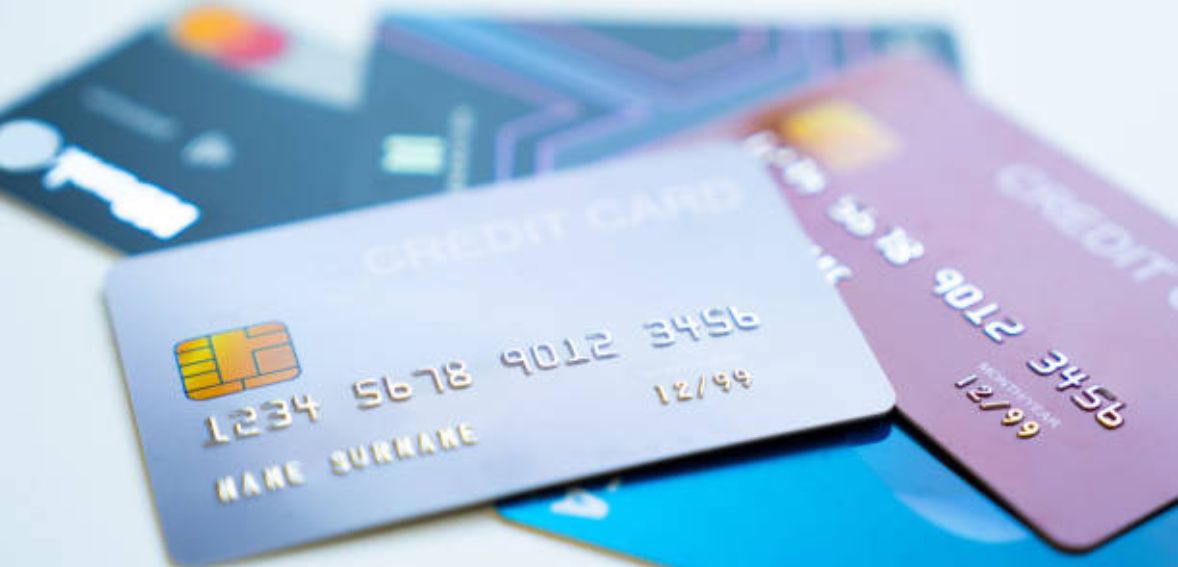
It is a widely used form of payment option under which consumers borrow money from a financial institution to make a purchase or pay for services. Hereby, the consumer is under the obligation to pay the bank later, usually within a monthly billing cycle. Credit card systems may also offer customers rewards such as cash bank points.
Moreover, with good credit scores, customers can also build good credit lines that will make them eligible for bigger loans. However, credit card providers may charge higher rates of interest on balances if not paid on time.
Advantages
- Increase sales as it provides customers with a buy now and pay later option
- Transactions are processed quickly which provides faster access to funds
- Widely accepted and easy for customers to use
- It has great security features thus providing fraud protection
Disadvantages
- Businesses are required to pay transaction fees which can be a burden for small businesses.
- Customers can dispute charges, potentially leading to financial loss or additional fees.
- There’s still a risk of unauthorized transactions
- This system relies on third-party processors which might not work in case of technical issues.
-
Debit Cards
In the debit payment method, money is withdrawn directly from a respective bank account. This provides customers with the comfort of not carrying cash and note expenses. Usually, it does not come with annual fees or bare minimum charges. Unlike, credit cards it also reduces the risk of debt for customers and ensures that payments are made only when there are sufficient funds.
Advantages
- There are very less processing fees attached to debit transactions.
- Customers can only purchase when there are funds available.
- Immediate processing leading to instant funds transfer
- Widely accepted across various industries
- Comes with security features like PIN codes
Disadvantages
- Debit card users spend less compared to credit card users which might lead to fewer sales
- It doesn’t come with rewards unlike credit cards
- Chargebacks can be more difficult to resolve
To integrate debit cards into business the primary step is to partner with a payment processor like PayPal or any other to set up a merchant account. Online businesses use a secure payment gateway and offline businesses have a good point of sales (POS). Comply with PCI DSS standards for secure payment processing.
-
Automated Clearing House (ACH)
An ACH payment method is an electronic payment network where funds are transferred directly from bank to bank. It’s run by an organisation called NACHA which is also called ACH network. From a business point of view, it is quite a secure and cost-effective payment option. It allows businesses to direct deposits, automated payment processing, bill payments, and recurring payments. Additionally, it recurs less fees than credit cards. Although, ACH payments might take 3-4 working days to complete the transaction process.
Advantages
- ACH payments are secure and encrypted
- Automated payment processing to avoid errors while manual interventions
- easy bank to bank transfer
Disadvantages
- It takes a few working days to complete a transaction thus causing delays in operations.
- ACH payments are subject to return if the payer’s account lacks sufficient funds which will lead to unwanted chargebacks
- It requires bank account details for processing making it inconvenient for some users.
To integrate it in business, like debit cards, the first step is to partner with a payment processor that supports ACH transactions like Stripe or PayPal. Then set up a merchant account and connect it with the business. Use payment gateway for online business and for recurring billing use automated payment options.
-
Cash
This traditional method of payment remains a widely accepted payment option to date especially in retail businesses and small-scale physical stores. Accepting cash ensures immediate cash flow and lower operational costs as it does not have any processing fees attached to it. Moreover, the biggest advantage of it is that it does not require customers to carry electronic systems or bank details to make purchases.

Advantages
- Does not incur transaction fees
- Immediate increase in cash flow
- Widely accepted and globally recognized
- Doesn’t require internet access or a functioning electronic system
- Cash transactions are anonymous making them difficult to intercept.
Disadvantages
- Prone to theft or loss
- Time-consuming to record transactions and counting
- Without interception can lead to potential discrepancies
- Impractical and difficult to handle especially for large-scale businesses
-
Paper Checks
Despite the rise of electronic transactions, paper checks remain the primary choice of business that deals with large transactions. A paper check is a physical document that transfers money from one person’s account to another. The process involves the issuance of a check, its delivery to the payee, deposit, clearance, and then finally settlement. This method offers flexibility and convivence of not relying upon online system or credit card fees. Despite its aids like tangibility and familiarity, some businesses may find it prone to errors and delays.

Advantages
- It provides a considerable level of security allowing users to track transactions.
- Usually has no or comparatively lower transaction fees
- Widely used by traditional businesses
- Help define payment schedule and cash flow
- No online reliability
Disadvantages
- Processing of the check might take a few days causing a delay
- Prone to theft and error
- process of writing, mailing, and depositing checks is time-consuming and labor-intensive.
- Troublesome to automate and integrate
To integrate Paper Checks into business, the first step is to have a business account and make customers aware that paper check is accepted as payments. Also, ensure to have a proper invoice area and receipts for check details. Establish a secure process for handling checks, and regularly deposit them at the bank.
-
eChecks
Checks can be said as an online alternative to paper checks. Here the payments are conducted online in a cost-effective and secure way. This model uses an Automated Clearing House (ACH) network to make and receive payments. Compared to traditional paper checks, this method is hassle-free and fast which allows businesses to recur payments of large transactions.
Advantages
- typically have lower or no processing fees
- instant and secure way of payment
- sustainable method as requires no paper
- ideal for businesses with subscription models or regular billing cycles.
Disadvantages
- requires the payer and payee to have an active bank account
- it might also take a few days
- limited applications to domestic transactions where there is an ACH system
- eChecks can bounce if there are insufficient funds in the payer’s account.
To avail of checks, first partner with a payment processor or gateway that supports ACH transactions. For offline purposes, integrate with Point of Sale (POS) or use an online payment system. Next, update the invoicing system and provide customers with clear instructions. It’s also essential to educate staff on the eCheck process and ensure secure handling of sensitive banking information.
-
Digital Payments
In a technologically advanced world, the rise of digital payments continues to shape the business ecosystem. This method encompasses paying by payment gateways like PayPal, Venmo, and Zelle to digital mobile wallets like cell phones. Businesses that deal with recurring payments or large transactions can particularly benefit from this payment method, as it provides a secure means of transferring funds without the risks associated with paper checks or credit card fraud.
Advantages
- Instant and quick compared to traditional methods
- Globally recognized without geographical limitations
- It can be processed through various platforms like apps, websites, or mobile devices
- Minimizes risk of human error
- Allows automated transactions with adequate security
Disadvantages
- Some platforms may charge reasonable transaction fees
- Technical challenges like downtime disrupt the transaction
- Still vulnerable to potential fraud
- Requires online presence and internet access
To amalgamate this, partner with a desired payment gateway like PayPal, Stripe, or Square. Ensure that the website or point-of-sale (POS) system supports the chosen gateway and also that the setup is secure, offering encryption for sensitive information. To provide customers with diverse options, consider using credit cards, digital wallets (like Apple Pay or Google Pay), and even peer-to-peer services (like Venmo or Zelle).
-
Money Orders
Money orders still endures as a reliable payment option for businesses as it provides a secure alternative to using cash, checks, or any other electronic mode. This is typically issued by financial institutions as a prepaid directive which reduces the risk of fraud. It is most suitable for businesses that want to serve customers having no bank account. However, like any payment option, money orders come with both benefits and drawbacks.
Advantages
- As orders are prepaid it removes the chances of bounced payments
- Less risk of fraud as compared to cash or personal checks
- Provides convivence of purchasing from banks, post offices, and retail locations.
- Requires no bank account to process the transaction
- Lower processing fees
Disadvantages
- The process is quite time-consuming and can be troublesome
- Not all vendors may accept money orders
- Needs a physical visit to purchase a money order
- Difficult to replace with digital payments
To accept money orders, businesses need to make sure they have a process for verifying and depositing them. Start by clearly communicating that money orders are accepted as a payment method on your website or in-store signage.
-
Gift cards
This is becoming a popular option among businesses and consumers. It is basically a prepaid card, which is branded with a business logo or name that allows customers to load a specified value and use cards for purchases that they will make in the future either online or in-store. For businesses, gift cards provide a reliable revenue option even before the actual goods or services are delivered. Apart from just being a payment option, it is also a good way of marketing building goodwill, and good relations with customers. The use of gift cards showcases loyalty, and reliability and encourages customer’s further visits. Gift cards cater to a wide range of customers, including those who prefer not to carry cash or use credit cards.

Advantages
- Immediate cash flow
- Gift cards to some extent bounds customers with future return to business
- Promotes business goodwill and increases brand visibility.
- This leads to additional sales.
Disadvantages
- Some cards may get unredeemed, which leads to potential unclaimed revenue.
- It is difficult to intercept cashflow of gift card sales, balances, and expiration
- Prone to theft and fraud
- Clear communication is needed to avoid misunderstandings about terms, such as expiration dates or usage restrictions.
- Not applicable to many industries
To integrate gift cards, businesses should first partner with a reliable gift card provider or set up a digital platform to create and manage cards. Do not forget to ensure that gift cards are easily available for purchase in both online and offline stores. For marketing purposes, promote the availability of gift cards through marketing channels like social media, websites, etc. Make sure to have a good point-of-sale (POS) system that is compatible with gift card redemption and balance tracking.
-
Barter/Trades
A barter system is not new to the business ecosystem but was prevalent in primitive times. Instead of traditional monetary transactions, here products or services are exchanged. It is befitted for businesses experiencing cash flow constraints or which are looking to save funds. Bartering also facilitates networking opportunities, helping companies build relationships and expand their professional circles. However, there are various challenges associated with this method as the main difficulty lies in determining the value of goods exchanged which might lead to unwanted disagreements.
Advantages
- Allows businesses to conserve cash
- Reduce the expense of exchanging and surplus inventory
- Bartering can build strong partnerships
Disadvantages
- Not all businesses may be open to bartering, making it harder to find trade partners.
- Difficult to determine the exact value of goods exchanged
- It does not generate immediate cash
- It can prove to be a challenge given tax regimes
Conclusion
To sum up, in the continually evolving world of business, it is very important for businesses to walk together with trends to adopt diverse payment methods to enhance user satisfaction. Each method provides unique benefits such as convenience, security, or low transaction fees, and understanding these advantages will provide an edge in making informed decisions.
While integrating these payment options it is important to consider solutions that are easy to implement, secure, and compatible with existing systems. By integrating payment method strategically businesses can enhance user experience and consequently boost growth.