

In today’s digital age, credit card transactions have become the norm for both businesses and consumers. However, amidst the convenience and efficiency of false decline in credit card processing, there is a growing concern known as false decline. False decline refers to the rejection of a legitimate credit card transaction due to suspected fraud, resulting in lost sales opportunities for businesses and frustration for customers.
This comprehensive article aims to shed light on the concept of false decline, its causes, impact on businesses and customers, strategies to minimize it, and best practices for merchants and customers to prevent false declines.
Understanding the Causes of False Declines

1. Overzealous Fraud Detection Systems: One of the primary causes of false declines is the implementation of overly cautious fraud detection systems by payment processors. These systems often rely on complex algorithms and risk assessment models that may flag legitimate transactions as suspicious.
2. Inaccurate Data and Outdated Profiles: False declines can occur when the customer’s profile or transaction data is outdated or contains errors. This can lead to a mismatch between the customer’s actual behavior and the fraud detection system’s expectations, triggering a false decline.
3. Inconsistent Purchase Patterns: If a customer deviates from their usual spending habits, such as making a large purchase or shopping from a different location, it may trigger a false decline. This inconsistency can be misinterpreted as fraudulent activity by the fraud detection system.
4. Lack of Communication between Issuers and Merchants: Poor communication between credit card issuers and merchants can contribute to false declines. If the issuer does not provide timely updates on flagged transactions or if the merchant fails to verify suspicious transactions, false declines can occur.
5. Technical Glitches and System Errors: False declines can also be caused by technical glitches or system errors within the credit card processing infrastructure. These errors can result in the rejection of legitimate transactions, causing inconvenience for both businesses and customers.
Impact of False Declines on Businesses and Customers

False declines have far-reaching consequences for both businesses and customers. Understanding the impact of false declines is crucial in recognizing the urgency to address this issue effectively.
1. Lost Sales Opportunities: False declines can lead to lost sales opportunities for businesses. When a legitimate transaction is declined, customers may abandon their purchase or turn to a competitor, resulting in revenue loss for the merchant.
2. Damage to Customer Relationships: False declines can damage the trust and loyalty between businesses and their customers. Customers who experience false declines may feel frustrated, inconvenienced, and may even switch to alternative payment methods or merchants.
3. Negative Brand Reputation: Consistent false declines can tarnish a business’s reputation. Customers who encounter repeated false declines may share their negative experiences online, leading to a negative perception of the business and potential loss of future customers.
4. Increased Operational Costs: False declines not only impact revenue but also increase operational costs for businesses. Merchants may need to invest in additional resources to investigate and resolve false declines, leading to higher expenses.
5. Customer Inconvenience and Frustration: False declines can cause significant inconvenience and frustration for customers. Repeatedly having legitimate transactions declined can lead to a negative shopping experience, discouraging customers from making future purchases.
Common Signs and Symptoms of False Declines
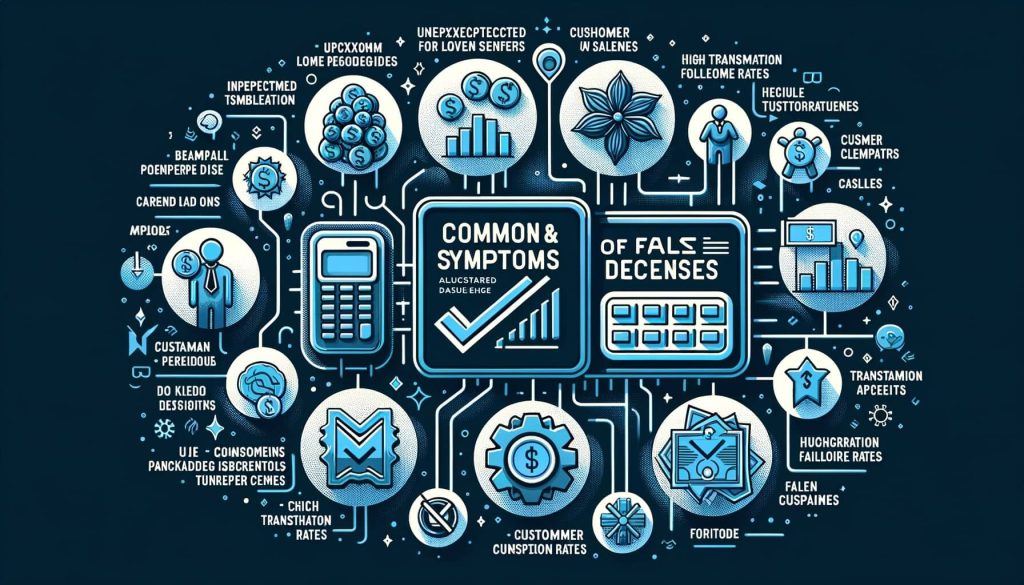
Recognizing the signs and symptoms of false declines is crucial for businesses and customers to address the issue promptly. Here are some common indicators:
1. Frequent Declined Transactions: If a customer experiences frequent declined transactions despite having a good credit history, it may be a sign of false declines.
2. Inconsistent Decline Patterns: If a customer’s transactions are declined inconsistently, with some being approved and others declined without any apparent reason, it may indicate false declines.
3. Sudden Decline in Sales: Businesses may notice a sudden decline in sales without any significant changes in their marketing strategies or customer demand. This could be a result of false declines affecting customer purchases.
4. Customer Complaints or Negative Reviews: Customers who have experienced false declines may voice their frustrations through complaints or negative reviews, highlighting the issue for businesses to address.
5. Increased Chargeback Rates: False declines can lead to an increase in chargeback rates as frustrated customers may dispute declined transactions, resulting in additional costs for businesses.
Strategies to Minimize False Declines in Credit Card Processing

To minimize false declines, businesses need to adopt proactive strategies that strike a balance between fraud prevention and customer convenience. Here are some effective strategies:
1. Optimize Fraud Detection Systems: Businesses should work closely with their payment processors to fine-tune fraud detection systems. This involves regularly updating and refining algorithms to reduce false positives while maintaining effective fraud prevention.
2. Improve Data Accuracy and Verification: Ensuring accurate and up-to-date customer data is crucial in minimizing false declines. Merchants should regularly verify and update customer profiles to avoid mismatches between customer behavior and fraud detection expectations.
3. Enhance Communication with Issuers: Establishing clear lines of communication with credit card issuers is essential. Merchants should promptly report and verify suspicious transactions with issuers to prevent false declines.
4. Implement Risk-Based Authentication: Risk-based authentication allows businesses to assess the level of risk associated with a transaction and apply appropriate security measures accordingly. This approach reduces false declines by focusing on high-risk transactions while allowing low-risk transactions to proceed smoothly.
5. Utilize Machine Learning and AI: Leveraging machine learning and artificial intelligence can significantly improve fraud detection accuracy. These technologies can analyze vast amounts of data, identify patterns, and adapt to evolving fraud trends, reducing false declines.
Importance of Accurate Fraud Detection Systems
Accurate fraud detection systems are crucial for businesses to strike a balance between preventing fraud and minimizing false declines. Here’s why accurate fraud detection is essential:
1. Protecting Businesses from Financial Loss: Accurate fraud detection systems help businesses identify and prevent fraudulent transactions, protecting them from financial losses associated with chargebacks and unauthorized purchases.
2. Safeguarding Customer Data: Effective fraud detection systems ensure the security of customer data by identifying and preventing unauthorized access or fraudulent activities.
3. Building Customer Trust: By accurately detecting and preventing fraud, businesses can build trust with their customers. Customers feel more confident in making purchases when they know their transactions are secure.
4. Reducing Operational Costs: Accurate fraud detection systems minimize false positives, reducing the need for manual review and investigation of flagged transactions. This, in turn, lowers operational costs for businesses.
Best Practices for Merchants to Reduce False Declines
Merchants can adopt several best practices to reduce false declines and provide a seamless payment experience for their customers. Here are some key practices:
1. Regularly Update Fraud Prevention Measures: Merchants should stay up-to-date with the latest fraud prevention technologies and techniques. Regularly updating fraud prevention measures ensures that businesses are equipped to combat evolving fraud threats effectively.
2. Monitor and Analyze Transaction Data: Merchants should closely monitor and analyze transaction data to identify patterns and trends. This helps in distinguishing legitimate transactions from fraudulent ones, reducing false declines.
3. Implement Multi-Factor Authentication: Multi-factor authentication adds an extra layer of security by requiring customers to provide additional verification, such as a one-time password or biometric authentication. This helps prevent false declines while enhancing security.
4. Offer Alternative Payment Methods: Providing customers with alternative payment methods, such as digital wallets or installment plans, can reduce the likelihood of false declines. These methods often have built-in fraud prevention measures, ensuring a smoother payment experience.
5. Educate and Train Staff: Merchants should educate and train their staff on fraud prevention techniques and the importance of minimizing false declines. Well-informed staff can better assist customers and address any concerns related to declined transactions.
Steps for Customers to Prevent False Declines
Customers can take proactive steps to prevent false declines and ensure a seamless payment experience. Here are some steps customers can follow:
1. Update Contact Information: Customers should regularly update their contact information with their credit card issuers and merchants. Accurate contact information ensures that customers receive timely notifications and alerts regarding flagged transactions.
2. Notify Issuers of Travel Plans: If customers plan to travel, especially internationally, they should inform their credit card issuers in advance. This prevents legitimate transactions from being flagged as suspicious due to unfamiliar locations.
3. Monitor Account Activity: Regularly monitoring credit card account activity allows customers to identify any unauthorized transactions promptly. Reporting such transactions to the issuer can prevent false declines and potential fraud.
4. Opt for Verified by Visa or Mastercard SecureCode: Customers can enroll in Verified by Visa or Mastercard SecureCode programs, which provide an additional layer of security for online transactions. This reduces the likelihood of false declines while enhancing security.
5. Contact Issuers for Declined Transactions: If a customer’s transaction is declined, they should contact their credit card issuer to verify the reason for the decline. This proactive approach can help resolve false declines promptly.
Frequently Asked Questions about False Declines
Q1. What is a false decline in credit card processing?
A false decline refers to the rejection of a legitimate credit card transaction due to suspected fraud, resulting in lost sales opportunities for businesses and frustration for customers.
Q2. Why do false declines occur?
False declines can occur due to overzealous fraud detection systems, inaccurate data or profiles, inconsistent purchase patterns, lack of communication between issuers and merchants, and technical glitches or system errors.
Q3. How do false declines impact businesses and customers?
False declines lead to lost sales opportunities, damage customer relationships, negatively impact brand reputation, increase operational costs, and cause inconvenience and frustration for customers.
Q4. What are the signs of false declines?
Signs of false declines include frequent declined transactions, inconsistent decline patterns, sudden decline in sales, customer complaints or negative reviews, and increased chargeback rates.
Q5. How can businesses minimize false declines?
Businesses can minimize false declines by optimizing fraud detection systems, improving data accuracy and verification, enhancing communication with issuers, implementing risk-based authentication, and utilizing machine learning and AI.
Conclusion
False declines in credit card processing pose significant challenges for businesses and customers alike. Understanding the causes, impact, and prevention strategies surrounding false declines is crucial for creating a seamless and secure payment experience. By adopting proactive measures, such as optimizing fraud detection systems, improving communication with issuers, and educating staff, businesses can minimize false declines and build trust with their customers.
Similarly, customers can take steps like updating contact information, monitoring account activity, and enrolling in additional security programs to prevent false declines. By working together, businesses and customers can mitigate the negative effects of false declines and ensure a smooth and secure credit card processing experience for all parties involved.