

In today’s fast-paced world, technology plays a crucial role in streamlining business operations and enhancing customer experience. This is no different for veterinary practices, where the use of point-of-sale (POS) systems has become increasingly popular.
A POS system is a combination of hardware and software that allows businesses to process transactions, manage inventory, and track sales. In the context of veterinary practices, a customized POS system can provide numerous benefits, including improved efficiency, enhanced customer service, and streamlined financial management.
Understanding the Importance of Customization in Veterinary Point-of-Sale Systems
While off-the-shelf POS systems may offer some basic functionalities, they often fall short when it comes to meeting the unique needs of veterinary practices. This is where customization comes into play.
Customizing a POS system allows veterinary practices to tailor the software to their specific requirements, ensuring that it aligns with their workflow and business processes. By customizing their POS system, veterinary practices can optimize their operations, improve productivity, and provide a seamless experience for both staff and clients.
Key Features and Functionalities of Customizable Point-of-Sale Systems for Veterinary Practices

When customizing a POS system for a veterinary practice, it is essential to consider the key features and functionalities that will best serve the needs of the practice. Some of the key features to look for in a customizable POS system for veterinary practices include:
1. Appointment Scheduling: A customizable POS system should have the ability to integrate with appointment scheduling software, allowing veterinary practices to manage their appointments efficiently. This feature enables staff to schedule appointments, view availability, and send reminders to clients, reducing no-shows and improving overall customer satisfaction.
2. Electronic Medical Records (EMR) Integration: Integration with EMR systems is crucial for veterinary practices to streamline their workflow and ensure accurate record-keeping. A customizable POS system should allow for seamless integration with existing EMR systems, enabling staff to access patient records, update medical information, and generate invoices directly from the POS system.
3. Inventory Management: Effective inventory management is essential for veterinary practices to ensure they have the necessary supplies and medications on hand. A customizable POS system should offer robust inventory management features, including real-time tracking of stock levels, automated reordering, and the ability to set low-stock alerts. This helps prevent stockouts, reduces wastage, and improves overall efficiency.
4. Payment Processing: A customizable POS system should support multiple payment options, including credit cards, debit cards, and mobile payments. It should also have the ability to process insurance claims, making it easier for clients to pay for their pet’s medical expenses. Additionally, the system should provide secure payment processing to protect sensitive customer information.
5. Reporting and Analytics: A customizable POS system should offer comprehensive reporting and analytics capabilities. This allows veterinary practices to gain insights into their sales performance, track key metrics, and make data-driven decisions. Customizable reporting features enable practices to generate customized reports based on their specific needs, helping them identify trends, optimize pricing strategies, and improve profitability.
Factors to Consider When Customizing a Point-of-Sale System for Veterinary Practices
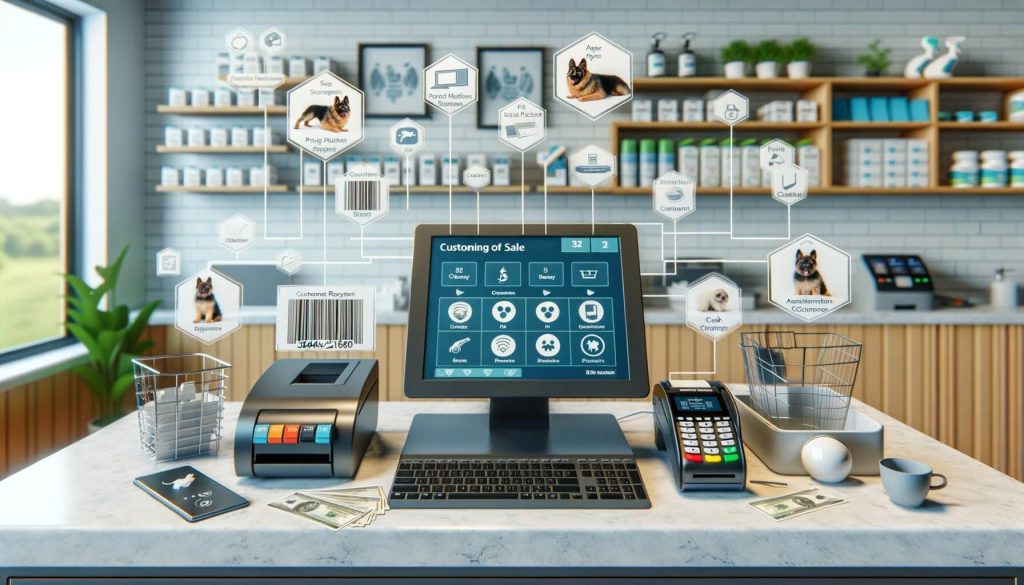
When customizing a POS system for a veterinary practice, several factors need to be considered to ensure the system meets the practice’s unique requirements. These factors include:
1. Workflow and Processes: Understanding the workflow and processes of the veterinary practice is crucial when customizing a POS system. This involves mapping out the various steps involved in the patient journey, from check-in to check-out, and identifying areas where the POS system can streamline operations and improve efficiency.
2. Scalability: It is important to consider the scalability of the POS system when customizing it for a veterinary practice. The system should be able to accommodate the practice’s growth and expansion plans, allowing for the addition of new locations, staff members, and services without significant disruptions.
3. User-Friendliness: A customizable POS system should be user-friendly and intuitive, ensuring that staff can easily navigate the system and perform their tasks efficiently. Training and support should also be provided to ensure a smooth transition to the customized POS system.
4. Integration Capabilities: The ability to integrate with other software systems, such as EMR systems, appointment scheduling software, and accounting software, is crucial for a customizable POS system. Seamless integration eliminates the need for duplicate data entry, reduces errors, and improves overall efficiency.
5. Security and Compliance: Veterinary practices deal with sensitive patient information, making security and compliance a top priority. When customizing a POS system, it is essential to ensure that it meets industry standards for data security and compliance with regulations such as the Health Insurance Portability and Accountability Act (HIPAA).
Step-by-Step Guide to Customizing a Point-of-Sale System for Veterinary Practices

Customizing a POS system for a veterinary practice can seem like a daunting task, but with a step-by-step approach, it can be a smooth and efficient process. Here is a guide to customizing a POS system for veterinary practices:
1. Identify the Practice’s Needs: The first step in customizing a POS system is to identify the specific needs of the veterinary practice. This involves understanding the practice’s workflow, processes, and pain points. Consult with staff members to gather their input and insights.
2. Research POS System Providers: Research different POS system providers that specialize in serving veterinary practices. Look for providers that offer customizable solutions and have a track record of working with similar practices. Read reviews, compare features, and request demos to assess the suitability of each provider.
3. Define Customization Requirements: Based on the practice’s needs and the features offered by different POS system providers, define the customization requirements. Create a list of must-have features and functionalities, as well as any specific customization requests.
4. Consult with POS System Provider: Schedule a consultation with the chosen POS system provider to discuss the customization requirements. Provide them with a detailed overview of the practice’s needs and customization requests. The provider should be able to offer guidance and recommendations based on their expertise.
5. Customize the System: Once the customization requirements have been defined and discussed with the POS system provider, the customization process can begin. This involves configuring the system to meet the practice’s specific needs, such as setting up appointment scheduling, integrating with EMR systems, and customizing reporting features.
6. Test and Train: After the customization is complete, thoroughly test the system to ensure that it functions as expected. This involves conducting test transactions, checking inventory management features, and verifying integration with other software systems. Once testing is complete, provide training to staff members to familiarize them with the customized POS system.
7. Monitor and Optimize: Once the customized POS system is up and running, it is important to monitor its performance and gather feedback from staff members. This allows for continuous optimization and improvement of the system. Regularly review reports and analytics to identify areas for improvement and make necessary adjustments.
Integrating Inventory Management and Tracking in Customized Veterinary Point-of-Sale Systems
Inventory management is a critical aspect of running a veterinary practice efficiently. A customized POS system can greatly enhance inventory management and tracking capabilities, ensuring that the practice has the necessary supplies and medications on hand while minimizing wastage and stockouts.
A customizable POS system should offer real-time tracking of inventory levels, allowing staff members to monitor stock levels and make informed purchasing decisions. The system should provide automated reordering functionality, generating purchase orders when stock levels reach a specified threshold. This helps prevent stockouts and ensures that the practice always has an adequate supply of essential items.
In addition to tracking inventory levels, a customizable POS system should also allow for the tracking of expiration dates for medications and vaccines. This feature helps veterinary practices ensure that they are using products before they expire, reducing wastage and ensuring the safety and efficacy of treatments.
Integrating inventory management with the POS system also enables seamless tracking of sales and inventory usage. When a product is sold or used, the system should automatically update the inventory levels, providing accurate and up-to-date information. This eliminates the need for manual data entry and reduces the risk of errors.
Enhancing Customer Experience through Customized Point-of-Sale Systems in Veterinary Practices
Providing an exceptional customer experience is crucial for veterinary practices to build loyalty and attract new clients. A customized POS system can play a significant role in enhancing the customer experience by streamlining processes, improving communication, and personalizing interactions.
One of the key ways a customized POS system can enhance the customer experience is through appointment scheduling. The system should allow clients to easily schedule appointments online or through a mobile app, providing convenience and flexibility. Automated appointment reminders can also be sent via email or SMS, reducing no-shows and improving overall customer satisfaction.
A customizable POS system should also enable staff members to access patient records and medical history quickly. This allows them to provide personalized care and recommendations based on the pet’s specific needs. The system should also have the ability to generate invoices and receipts, making the checkout process seamless and efficient.
Another way a customized POS system can enhance the customer experience is through loyalty programs and rewards. The system should have the ability to track customer purchases and offer incentives such as discounts, free services, or exclusive offers. This not only encourages repeat business but also fosters a sense of loyalty and appreciation among clients.
Streamlining Financial Management with Customized Point-of-Sale Systems for Veterinary Practices
Efficient financial management is essential for the success of any veterinary practice. A customized POS system can streamline financial management processes, making it easier to track sales, manage expenses, and generate accurate financial reports.
A customizable POS system should offer robust reporting and analytics capabilities, allowing veterinary practices to gain insights into their financial performance. The system should provide detailed sales reports, including information on revenue, average transaction value, and sales by product or service. This helps practices identify trends, optimize pricing strategies, and make data-driven decisions.
In addition to sales reports, a customizable POS system should also offer expense tracking features. This allows veterinary practices to track expenses such as inventory purchases, staff salaries, and overhead costs. By having a clear view of expenses, practices can identify areas where costs can be reduced or optimized, improving profitability.
A customized POS system should also integrate with accounting software, enabling seamless transfer of financial data. This eliminates the need for manual data entry and reduces the risk of errors. Integration with accounting software also ensures that financial records are accurate and up-to-date, making tax preparation and financial reporting more efficient.
Addressing Security and Compliance in Customized Veterinary Point-of-Sale Systems
Security and compliance are critical considerations when customizing a POS system for a veterinary practice. Veterinary practices deal with sensitive patient information, making it essential to ensure that the POS system meets industry standards for data security and compliance with regulations such as HIPAA.
When customizing a POS system, it is important to choose a provider that prioritizes data security. The system should offer robust encryption and data protection measures to safeguard sensitive information. It should also have built-in security features such as user authentication, access controls, and audit trails to prevent unauthorized access and ensure accountability.
Compliance with HIPAA regulations is crucial for veterinary practices to protect patient privacy and avoid legal and financial consequences. When customizing a POS system, it is important to ensure that the system is HIPAA-compliant. This includes implementing measures such as secure data transmission, data encryption, and regular security audits.
Regular software updates and patches are also essential for maintaining the security and compliance of a customized POS system. The chosen POS system provider should have a track record of regularly releasing updates and addressing security vulnerabilities promptly. Regularly monitoring and updating the system helps protect against emerging threats and ensures ongoing compliance with industry standards.
Frequently Asked Questions (FAQs)
Q1. What is a point-of-sale (POS) system for veterinary practices?
A point-of-sale (POS) system for veterinary practices is a combination of hardware and software that allows businesses to process transactions, manage inventory, and track sales. It is specifically designed to meet the unique needs of veterinary practices, including appointment scheduling, electronic medical records integration, and inventory management.
Q2. Why is customization important in veterinary point-of-sale systems?
Customization is important in veterinary point-of-sale systems because it allows practices to tailor the software to their specific requirements. Customizing a POS system ensures that it aligns with the practice’s workflow and business processes, improving efficiency, productivity, and customer experience.
Q3. What are the key features of customizable point-of-sale systems for veterinary practices?
Key features of customizable point-of-sale systems for veterinary practices include appointment scheduling, electronic medical records integration, inventory management, payment processing, and reporting and analytics. These features help streamline operations, improve customer service, and enhance financial management.
Q4. How can a customized point-of-sale system enhance customer experience in veterinary practices?
A customized point-of-sale system can enhance customer experience in veterinary practices by streamlining processes, improving communication, and personalizing interactions. Features such as online appointment scheduling, automated reminders, and loyalty programs contribute to a seamless and personalized experience for clients.
Q5. How can a customized point-of-sale system streamline financial management in veterinary practices?
A customized point-of-sale system can streamline financial management in veterinary practices by providing detailed sales reports, expense tracking features, and integration with accounting software. These features help practices track sales, manage expenses, and generate accurate financial reports, improving profitability and efficiency.
Conclusion
Customizing a point-of-sale system for veterinary practices is essential to meet the unique needs of the practice and enhance efficiency, customer experience, and financial management. By understanding the importance of customization, identifying key features, considering factors such as workflow and scalability, and following a step-by-step guide, veterinary practices can successfully customize their POS system.
Integrating inventory management, enhancing customer experience, streamlining financial management, and addressing security and compliance are crucial aspects of customizing a POS system for veterinary practices. With a customized POS system in place, veterinary practices can optimize their operations, improve productivity, and provide a seamless experience for both staff and clients.